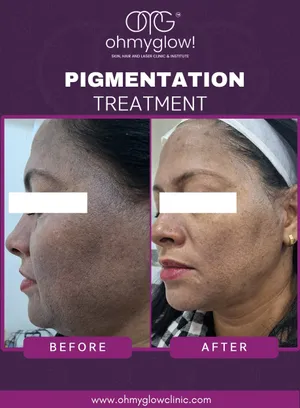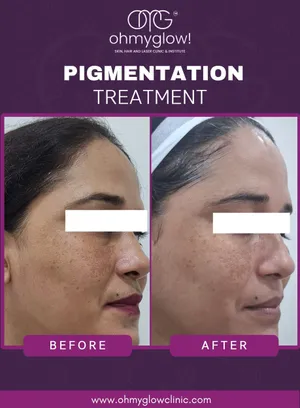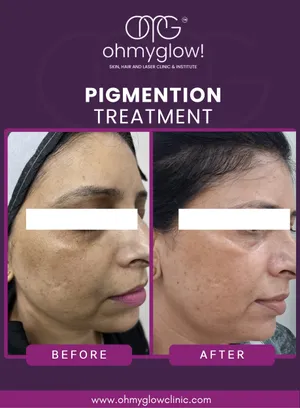

Pigmentation is one of the most common concerns we see, and also one of the most commonly mistreated — because “pigmentation” actually covers several different conditions that need different approaches.
What we’re actually treating
Sun-induced dark spots and post-acne marks sit relatively close to the skin’s surface and generally respond well to standard brightening treatments. Melasma is different: a chronic, hormonally-linked condition that often needs a more measured approach, since heat and irritation from overly aggressive treatment can trigger it to produce even more pigment. Getting this distinction right at the start is the single biggest factor in whether treatment actually helps.
How we approach it
A consultation looks at the pattern, depth, and likely cause of your pigmentation before recommending a plan — sometimes a Wood’s lamp examination to see how deep it sits, always a conversation about sun exposure and hormonal history. From there, treatment might combine a course of peels, laser sessions, or a topical protocol, built around what your specific skin needs rather than a single default treatment for everyone who walks in with “pigmentation.”
What to expect
Improvement is generally gradual over a course of sessions, and for melasma specifically, ongoing sun protection is part of maintaining results rather than an optional extra.